8 Steps to Plan a Canadian Fly-In Fishing Trip
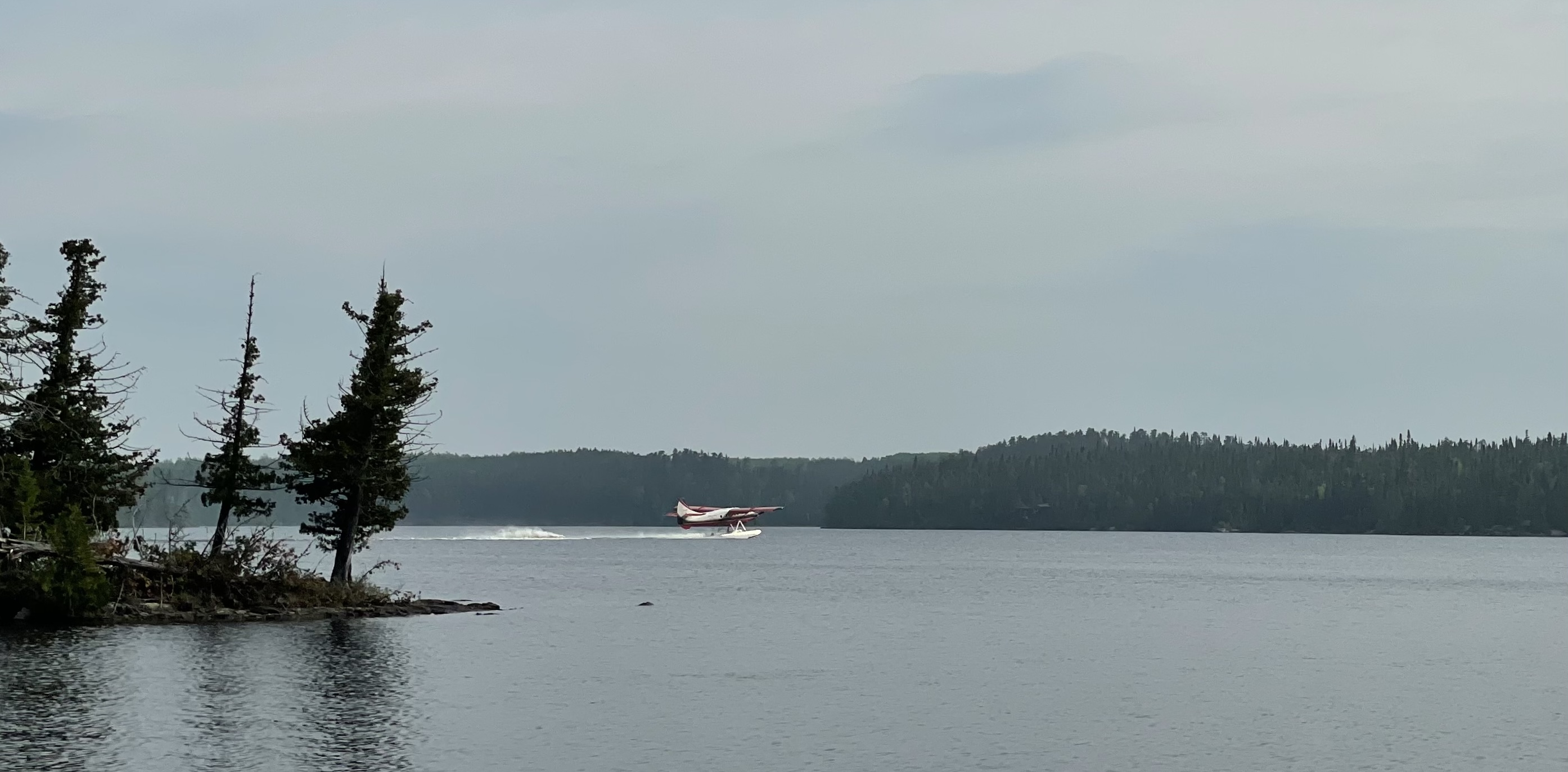
If you’ve spent years talking about “someday” doing a fly-in fishing trip in Canada, this is your sign: it’s time to make it happen. There’s nothing quite like flying over endless boreal forest with endless sparkling lakes and rivers, then touching down on a secluded lake where the only ripples are from fish and your floatplane.
A trip like this isn’t something you just throw together. However, with some thoughtful planning, you could soon be on your dream trip, an unforgettable adventure with your family or friends. Here’s how to make it happen.
1. Choose the Type of Trip: Lodge vs. Outpost
Your first big decision is where you want to stay—and how independent you want to be.
-
Full-Service Lodge: They cost more, but may be the right first-trip option to get started. Lodges include luxuries like meals, guides, and even fish cleaning so you can focus on fishing and relaxing. A guided fishing trip can also be an opportunity to soak up knowledge from your guide to prepare yourself for an outpost trip in the future.
-
Outpost Camp: Perfect for experienced anglers who want privacy, flexibility, and seclusion. You’ll have a cabin on a remote lake, boats, motors, and basic amenities—but you’re the guide, chef, and camp manager.
Think about your group’s fishing experience, comfort level, and how much “roughing it” feels right.
2. Pick Your Province and Species
Canada’s fly-in lakes are concentrated from Ontario to Saskatchewan and up into the Northwest Territories, and each region has its strengths.
-
Province: Do you want closer to home or a more distant adventure? Ontario has numerous options and variety within driving distance of the US border, the Northwest Territories has epic, bucket-list adventures, and there is a whole spectrum in between. Travel and lodging costs generally rise in relation to remoteness.
- Species: Looking for a lake with endless walleye for your fish fry, or do you dream of a trophy? Maybe you’ve always longed for the thrill of a giant pike attacking your lure alongside the boat, or heart-stopping topwater explosions of feisty smallmouth bass. There are abundant options for any of these species, plus many more. Some larger lakes offer good fishing for numerous species, but most lakes specialize in 2-3 species, so it pays to focus on a couple to target.
If you’ve always dreamed of catching 100 walleye in a day or chasing trophy pike in a weedy bay, choose your destination accordingly.
3. Choose the Right Outfitter
This is where research really matters. Look for outfitters with:
-
Lakes that match your desired size, fish species, and remoteness
-
Solid reviews from real anglers (not just shiny brochures)
-
Reliable aircraft and a safety-first reputation
-
Quality equipment (boats, motors, cabins)
-
Clear communication and transparency on costs
-
Open dates that match your calendar
Many outfitters begin booking a year in advance—especially for prime weeks in June and early July—so start your search early. Don’t be discouraged if you’re planning a little later, as there are always great options still available.
4. Plan Travel Logistics
Most fly-in bases are in small northern towns reachable by car or regional flight. Common jump-off points include Red Lake, Sioux Lookout, or Nakina (Ontario), and Thompson (Manitoba).
Plan your route carefully:
-
Drive, or book flights and car rentals to reach the floatplane base.
-
Arrive a day ahead of your entry—flights into camp are typically in the morning.
-
Book a place to stay the night before your trip.
-
Allow for travel delays—weather can ground floatplanes.
Ask your outfitter about parking, baggage weight limits, and departure times.
5. Know What to Bring
Remote camps mean strict weight limits, so make sure you pack only what you need and everything is in working order. We will go into details in another article, but here is a packing list overview:
-
Quality rain gear and warm layers—it can get cold even in summer
-
Polarized sunglasses and a good hat
-
Quality rods, reels, and tackle suited to your target species
-
Lightweight food and beverages (if self-catering)
-
Dry bags and waterproof cases for phones and cameras
6. Mind the Rules
Fishing in Canada means following provincial regulations. Make sure you:
-
Purchase the correct non-resident fishing license
-
Understand slot limits and possession rules
-
Respect catch-and-release practices, especially for trophy fish
7. Set Realistic Expectations
A fly-in fishing trip isn’t about luxury—it’s about adventure, wilderness, and memories. Expect:
-
No cell service
-
Unpredictable weather
-
Occasional mosquito swarms
But also:
-
The best fishing of your life
-
Campfire stories that last a lifetime
-
A special kind of solitude that recharges you
8. Lock in the Date and Commit
The hardest part may be pulling the trigger. Once your group has chosen the right outfitter and agreed on a week, it’s time to put down the deposit and start counting the days. Almost everyone who finally goes on their first fly-in trip wonders why they waited so long to make it happen.
Final Word
Whether you’re chasing walleye in Ontario, pike in Manitoba, or lake trout in the Northwest Territories, a Canadian fly-in fishing trip is more than a vacation—it’s an adventure that will reconnect you with nature and offer some of the best fishing of your life. The sound of the floatplane fading into the distance leaving you on your very own lake, the first strike on a glassy morning, and the laughter of friends around the campfire… that’s what you’ll remember. So stop dreaming—and start planning.
Search Blog